Environmental action
Working towards a more sustainable, liveable city.

Why we’re doing this
In June 2019, Lord Mayor Clover Moore declared a climate emergency in response to the ongoing effects of climate change.
The challenges we collectively face are significant. But we’re determined to maintain the liveability of our city and build our resilience to the impacts of global warming.
We’ve created this environmental sustainability hub for residents and businesses in the city, to learn about the different ways you can take action. There are dozens of ways you can make a difference.
We’ve also gathered information about our ongoing sustainability initiatives, so you can see what we’re doing.
Together, we can safeguard the future of Sydney.


Action areas

Environmental action
Energy and climate changeEnvironmental action
Recycling and wasteEnvironmental action
Greening and natureEnvironmental action
Water managementEnvironmental action
Reducing waste at homePeople & communities
Transport and accessBusiness & economy
Green economy


Environmental support & funding
Making Sydney sustainable
Development applications
Guidance on sustainable developmentIncorporating general design features during the planning and construction stages of development can reduce resource use and improve a building’s operational efficiency.Strategies & action plans
Sydney’s sustainable office buildings planWe’re helping owners and tenants reduce their environmental impact.Published 30 August 2018Strategies & action plans
Residential apartments sustainability planYou can save significantly by considering the environment in your home.Published 30 August 2015Strategies & action plans
Making Sydney a sustainable destinationBusinesses in the entertainment and accommodation sector can benefit from an increased focus on the environment.Published 28 February 2018
City of Sydney News
News
Meet the changemakers leading Sydney’s circular fashion movementMake your threads count. Discover local brands leading the way in circular fashion.6 May 2025News
The new frontlines of the climate crisisAt this CityTalks, internationally recognised leaders discuss why strong action is needed now more than ever.18 March 2025News
Verve leads the way with a green building grantHow an Erskineville apartment complex cut emissions, saved on power and future-proofed itself for electric vehicles.27 February 2025News
Donate quality furniture and help support reuse in our areaWith a little extra effort, you can make a big impact – helping local families in need and keeping items out of landfill.22 April 2025News
Get recycling help from homeQuickly find out what to do with unwanted packaging and household items. We have info about more than 1,700 items online.21 October 2024News
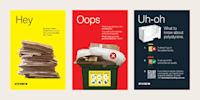
New free waste signs: get yours nowNudge your neighbours in the right direction.11 February 2025News
Get in the loop: Learn about Sydney’s circular economyRethinking how we buy and throw away.21 August 2024News
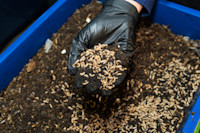
Insects fight food waste naturallyIn a NSW first, larvae turn your scraps into animal feed and fertiliser.7 May 2025News
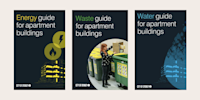
Energy, water, waste: 3 handy guides for apartment buildings Building managers and strata committees use this practical how-to information.9 May 2024News
3 free ways to recycle empty blister packsThey’re made of valuable materials but can’t be recycled in kerbside bins. Here’s what to do with them instead.20 May 2024