History
Sydney is a vibrant city and it has an ancient heartbeat. Discover the rich, vivid history of Sydney from early Aboriginal life through to the modern global city.
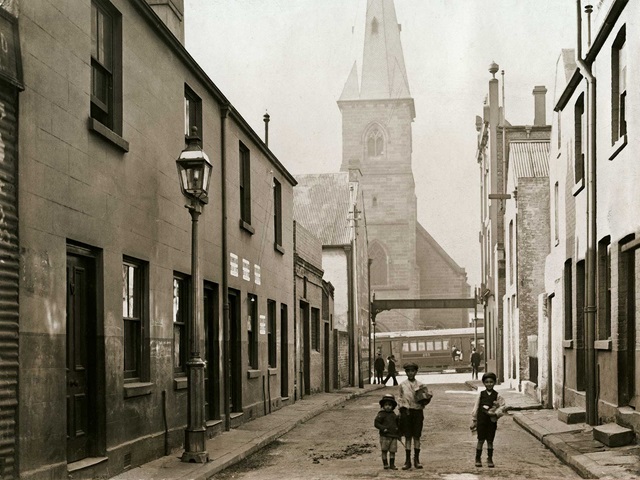

Community groups
Local history groups


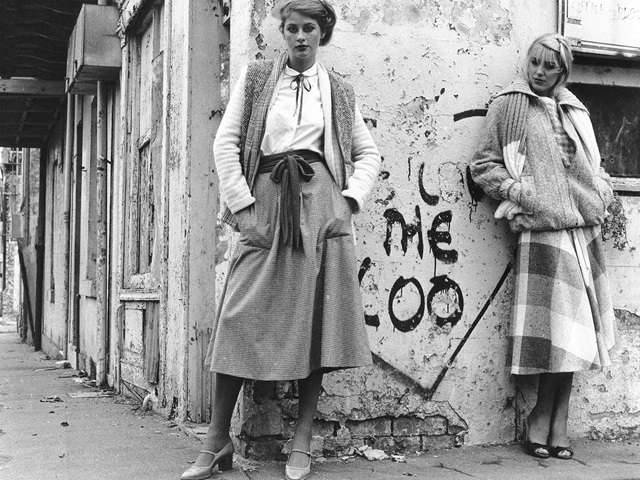

History & archive collections
City of Sydney Archives
More than 12,000 shelf metres of archives relating to the City of Sydney and its people, places and events.
Historical walking tours


Explore early photographs of Sydney
This exhibition highlights photographs commissioned by Sydney Municipal Council between 1900 and 1920 known as the ‘Demolition Books’.
Websites
- Barani: Sydney’s Aboriginal historyThe Barani website provides histories of people, places and events in the local area that are associated with the histories of Sydney's Aboriginal communities.
- Oral HistoriesThe collection showcases the voices of Sydney people past and present.
- Sydney’s Councillors & AldermenAn easy-to-search A-Z biographical guide of almost 500 men and women who have represented Sydney's residents.
- Dictionary of SydneyPut together as a collaborative not-for-profit venture in digital public history, it's an ever-growing resource you can trust.
Collections
History & archive collections
Books about Sydney’s historyHistory & archive collections
City of Sydney ArchivesHistory & archive collections
Civic collectionHistory & archive collections
History websitesLibrary collections
Local history collection


House and building histories guide
Discover the many resources available to research the history of your house or apartment.
City of Sydney News
News
Thirsty for history? Order a drink with a dash of old SydneyPull up a bar stool at one of these 7 locations and experience our city's past18 April 2024News
Glebe's groundbreaking shelter Elsie Women’s Refuge turns 50 Local female activists reflect on a powerful feminist moment in the city’s past as we mark International Women’s Day8 March 2024News
A Torres Strait Islander Elder shares her storyLanguage, dance and legacy: Joyce Wymarra’s journey from Badu to Glebe.18 December 2023News
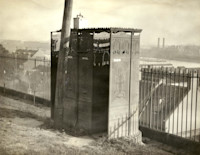
In pictures: Sydney’s public restrooms in the early 1900s To celebrate World Toilet Day, we step back a century to explore the early days of public sanitation in our area.17 November 2023News
We keep the ball in motionYoung Redfern All Blacks players, Jonathan Silva and Shyla Miller-Mundine, on championing togetherness in Australia's oldest Aboriginal rugby league club.25 October 2023News
The Sydney Opera House turns 50 Jan Utzon’s iconic creation turns 50 this month, so we’ve dived into the City of Sydney archives to look at the history of Sydney’s most recognised building.20 October 2023News
Support and nurture through culture and danceJodie Welsh, founder and artistic director of Brolga Dance Academy, looks back at the building blocks of her life.7 September 2023News
Why vote Yes in the referendumVote Yes to recognise Indigenous Australians in the constitution, listen to their voices about decisions that affect them, and make a practical difference.7 September 2023News
I call myself a story catcherMichelle Blakeney looks back at her childhood and the importance of documenting her people.2 August 2023News
Voice to Parliament: Your guide to resources about the referendumLearn more about the referendum before you vote on Saturday 14 October1 July 2023





Download free: Sydney Culture Walks app
Discover new neighbourhoods while learning about Sydney’s fascinating history, stunning architecture and the stories behind the city’s most loved public artworks.