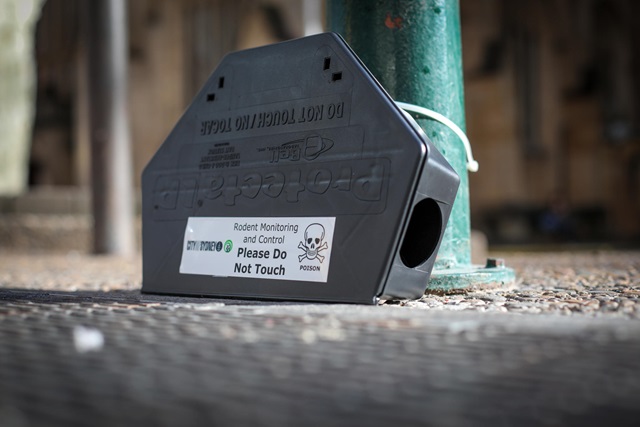
How we manage rat complaints
This page explains how we assess rat reports, what usually happens next, and how you can help us respond more quickly and effectively.
Published
If you see a rat, we want to know. When you contact us, we want you to feel confident that we take your concerns seriously and that there’s a clear path forward.
Why people contact us about rats
People contact us for many reasons. The most common are:
- seeing rats regularly in an area
- concerns about health or safety
- identifying something nearby that may be attracting rats
- being unsure who is responsible for fixing the issue.
All of these are valid reasons to contact us. We’re here to help assess the issue and advise on next steps.
What happens after you report a rat sighting
We follow a consistent process when we receive a rat complaint.
-
We log your report
Customer service records what you saw and where it happened. This helps us track patterns and identify locations with ongoing or repeat issues.
-
We check for likely causes
Rats are usually linked to one or more factors, including:
- food or waste saources
- waste storage practices
- construction activity
- property or site conditions.
We look at these first to understand what may be contributing to the activity.
-
We assess responsibility
Responsibility may sit with:
- a business
- a property owner
- several neighbouring properties
- a shared public space.
In some cases, there is no single cause. Several parties may need to work together to fix the issue.
-
We take action where needed
Depending on what we find, we may:
- contact the responsible party
- require improvements to waste management or site conditions
- organise pest control on public land where appropriate
- monitor the location over time.
-
We may contact you
If we need more information, or if we take action, we may contact you to explain what will happen next.
Why some rat issues take longer to resolve
Some rat problems take time to address because:
- rats move between private property and public areas
- more than one property may be contributing to the issue
- no clear food source or trigger is identified at first
- access to a property may be limited.
This doesn’t mean the issue is being ignored. It means we’re working through the steps required to resolve the problem properly and within the law.
What we can and cannot do
What helps us respond faster
Clear information helps reduce delays. When reporting rats, please include:
- the exact location
- how often you are seeing them
- whether sightings are near bins, food areas or construction activity
- whether the location is on private property or public land
- photos, if available (helpful but not required).
If you’re unsure whether to report it
If you’re not sure whether we can act, you can still make a report. We’ll assess the information and let you know the next steps.
A note on expectations
Rats are a city-wide issue, and are often linked to broader environmental and urban factors rather than a single event.
Our role is to:
- reduce risks
- address underlying causes
- prevent ongoing or escalating problems.
Achieving lasting results often requires cooperation between property owners, residents, businesses and us. This can take time rather than provide an instant fix.
If you need further support or want to escalate
We aim to manage rat complaints in a way that is objective, fair and based on evidence.
If you’re concerned about how your complaint is being handled:
- contact the officer managing your case
- if you’re still unsatisfied, you can escalate the issue to the health and building unit area manager.